The real cost of Доставка пиццы: hidden expenses revealed
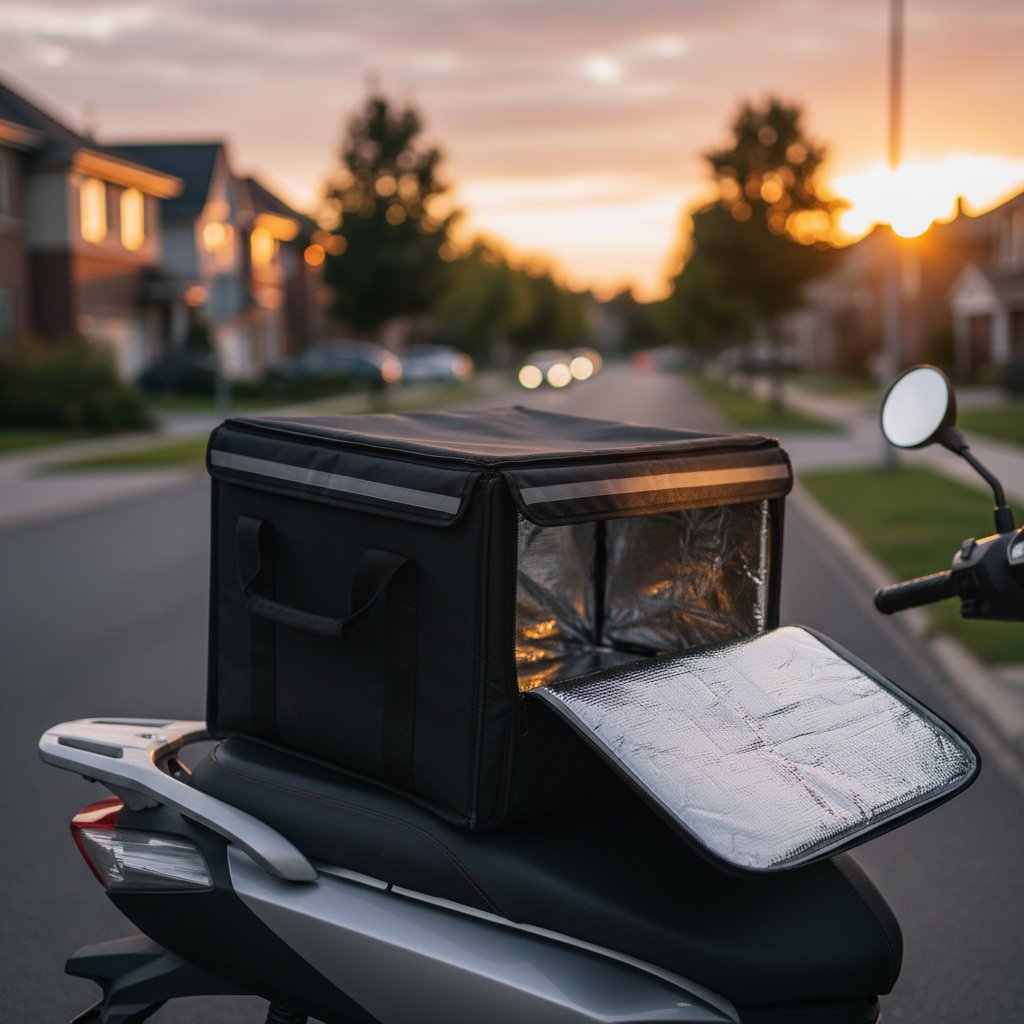
The $3 Pizza That Actually Costs $47: A Delivery Driver's Confession
Last Tuesday, I sat across from Dmitri, a pizza delivery driver in Brooklyn, as he showed me his spreadsheet. Yes, a spreadsheet. This 24-year-old had been tracking every penny spent on his "side gig" for six months, and the numbers made my jaw drop. That $18 pizza he just delivered? It cost him $11.30 to get it there.
"Nobody talks about the real math," he said, scrolling through rows of gas receipts, parking tickets, and oil changes. "The apps show you the delivery fee. They don't show you the rest."
The Iceberg Beneath the Delivery Fee
Pizza delivery has exploded into a $26 billion industry in the US alone. We've normalized paying $5-7 for delivery, maybe tossing in a tip, and calling it a day. But dig deeper into the economics, and you'll find a labyrinth of hidden costs that hit everyone involved—from the driver sweating in traffic to the pizzeria owner watching their margins evaporate.
The customer sees a $3.99 delivery charge and thinks that's the whole story. It's not even the first chapter.
What Your Delivery Driver Actually Pays
The Vehicle Death Spiral
Dmitri's 2015 Honda Civic had 68,000 miles when he started delivering. Six months later? 91,000 miles. That's 23,000 miles of wear and tear, mostly stop-and-go city driving—the absolute worst kind for vehicle longevity.
The IRS pegs vehicle costs at $0.67 per mile for 2024. Even if we're conservative and cut that to $0.50 for actual out-of-pocket expenses, Dmitri spent $11,500 destroying his car over six months. He made $19,400 in gross delivery income during that time.
The kicker? Most delivery drivers don't calculate depreciation until their transmission fails at 3am, and suddenly they're staring at a $4,200 repair bill with no emergency fund.
The Insurance Nobody Mentions
Here's a fun fact that delivery companies bury in the fine print: your personal auto insurance probably doesn't cover commercial use. If you get into an accident while delivering pizza, there's a solid chance your claim gets denied.
Commercial insurance riders run $150-300 per month extra. Most drivers skip it. They're gambling with financial ruin every time they turn the key.
The Restaurant's Hidden Bleeding
Tony runs a family pizzeria in Chicago. He brought delivery back in-house after two years with third-party apps, and he showed me why his accountant was having panic attacks.
"The apps wanted 28% commission," he explained. "On a $25 order, they took seven bucks right off the top. But that's not where it ends."
The Commission Cascade
Third-party delivery platforms charge restaurants 15-30% commission per order. Sounds straightforward until you realize this comes straight out of already-thin margins. Most pizzerias operate on 5-8% profit margins. A 28% commission doesn't just eat the profit—it turns the entire order into a loss leader.
Tony's solution? Raise menu prices on delivery apps by 20-25%. Now customers are paying $30 for the same pizza that costs $25 in-store, plus delivery fees, plus tips. That "convenient" pizza just hit $42.
The Equipment Arms Race
In-house delivery means tablets for orders, routing software ($89/month), insulated delivery bags ($45 each), car-top signs, and the big one—liability insurance that covers delivery drivers. Tony's insurance jumped from $4,200 to $11,800 annually when he added delivery.
"I need to do 47 deliveries per month just to break even on the insurance increase," he said. "That's before paying drivers, gas, or anything else."
The Customer's Invisible Surcharge
You're not off the hook either. Beyond the obvious delivery fee and tip, you're paying inflated menu prices (that 20-25% markup), plus whatever small fees the apps sneak in—"service fees," "small order fees," "busy area fees."
A recent study by Technomic found that the average delivered pizza costs 67% more than the same pizza picked up. That $15 pizza becomes $25.05 by the time it reaches your door, and that's with a modest 15% tip.
Order twice a week? You're spending an extra $1,050 per year compared to pickup. Over a decade, that's $10,500—enough for a used car or a very nice vacation.
The Time Tax Nobody Calculates
Drivers spend 35-40% of their shift not delivering—they're waiting for orders, driving back to the restaurant, or sitting in traffic. That $18/hour gross pay becomes $11.70/hour of actual productive time. Factor in vehicle costs, and some drivers are effectively working for $4-6/hour.
"I did it for the flexibility," Dmitri admitted. "But when I actually did the math, I was making less than minimum wage. I just didn't realize it because the money came in small chunks that felt okay in the moment."
Key Takeaways
- Drivers: Track every expense meticulously. If you're not netting $15+/hour after vehicle costs, you're subsidizing customers with your car's value.
- Restaurants: Third-party apps cost 35-45% of order value when you factor in commissions plus inflated refund rates and customer service issues.
- Customers: Delivery costs 50-70% more than pickup. Twice-weekly delivery habit costs $1,000+ annually in pure convenience fees.
- Real cost per delivery: $8-12 in actual economic impact across all parties, not the $3-5 advertised delivery fee.
The pizza delivery economy runs on hidden subsidies—drivers subsidizing with their vehicles, restaurants subsidizing with razor-thin margins, and customers subsidizing with inflated prices they don't fully recognize. Everyone's paying more than they think.
Dmitri quit delivery driving last month. He's working retail now for $16.50/hour, and his spreadsheet shows he's actually making more money. "My car will last another five years instead of dying in two," he said. "That's worth something."
Next time that delivery notification pings your phone, maybe think about those numbers. Or better yet, take the ten-minute drive and pick it up yourself. Your wallet—and some driver's transmission—will thank you.